What to bring on a boat day in Mallorca
A practical packing list for a day on the water around Palma, from reef-safe sunscreen and soft bags to seasickness tips and a dry bag for your phone.
By the Sail Mallorca team · Published · Updated · 4 min read
Also available in Deutsch
A day on the water around Palma is one of the simplest pleasures Mallorca has to offer. You do not need much to enjoy it, but a few well-chosen things make the difference between a good day and a great one. This list is general advice from our crew. Your skipper may have extra tips for your specific boat and route, so always ask.
Sun protection
The Mediterranean sun is stronger on the water than it feels. Light reflects off the sea and the deck, and a cool breeze can hide how much sun you are getting.
- A hat that stays on. A cap or a hat with a chin strap is better than a wide straw hat that blows away at the first gust.
- Sunglasses, ideally polarised. A simple cord keeps them from going overboard.
- A light long-sleeved top. A thin shirt or rash guard protects your shoulders far better than reapplying cream every hour.
- Lip balm with SPF. Easy to forget, and lips burn quickly.
Reef-safe sunscreen
If you plan to swim, choose a sunscreen labelled reef-safe or marine-friendly, and apply it at least twenty minutes before you get in the water so it can absorb. Mineral sunscreens based on zinc oxide or titanium dioxide are a common choice. Mallorca's bays are home to seagrass meadows that matter a great deal to the health of the sea, and every swimmer can help keep them that way.
Spray sunscreens tend to drift across the deck and make it slippery. A cream or stick is kinder to the boat and to the people around you.
Bags and what to pack them in
Space on board is limited, and hard suitcases or rigid bags are difficult to stow. Bring a soft bag, such as a tote, a canvas bag or a foldable backpack, which can be squeezed into a locker.
Inside, pack:
- A towel. A quick-dry or microfibre towel takes up little room.
- A change of clothes. Dry underwear and a fresh top feel wonderful after a swim, especially if you head into town afterwards.
- A light jacket or sweater. Even on a warm day, the evening breeze on the way back can be surprisingly cool, particularly in spring and autumn.
- Swimwear, worn under your clothes so you are ready for the first swim stop.
- Water. Many boats provide drinking water, but a refillable bottle of your own is always welcome.
Your phone, cash and cards
Saltwater and electronics do not mix. A small waterproof dry bag or phone pouch is the single most useful accessory you can bring. It protects your phone from spray, a wet towel or a slip in the dinghy, and many pouches still let you take photos.
Bring a card and a little cash. Beach bars and kiosks in smaller bays do not always accept cards, and you may want an ice cream or a coffee if you stop ashore. Keep everything together in the dry bag.
Seasickness tips
Most people feel fine on a calm day, but it is sensible to be prepared, especially if you know you are sensitive.
- Eat a light breakfast before you go. An empty stomach can make things worse, and so can a very heavy meal.
- If you use seasickness remedies, take them in good time before departure, following the instructions on the packet or the advice of a pharmacist.
- Once on board, stay on deck in the fresh air and look at the horizon. Avoid reading or looking at your phone for long periods.
- Sit near the middle of the boat, where the motion is gentlest.
- Tell the crew early if you start to feel unwell. They have seen it many times and are happy to help.
Keep it on board
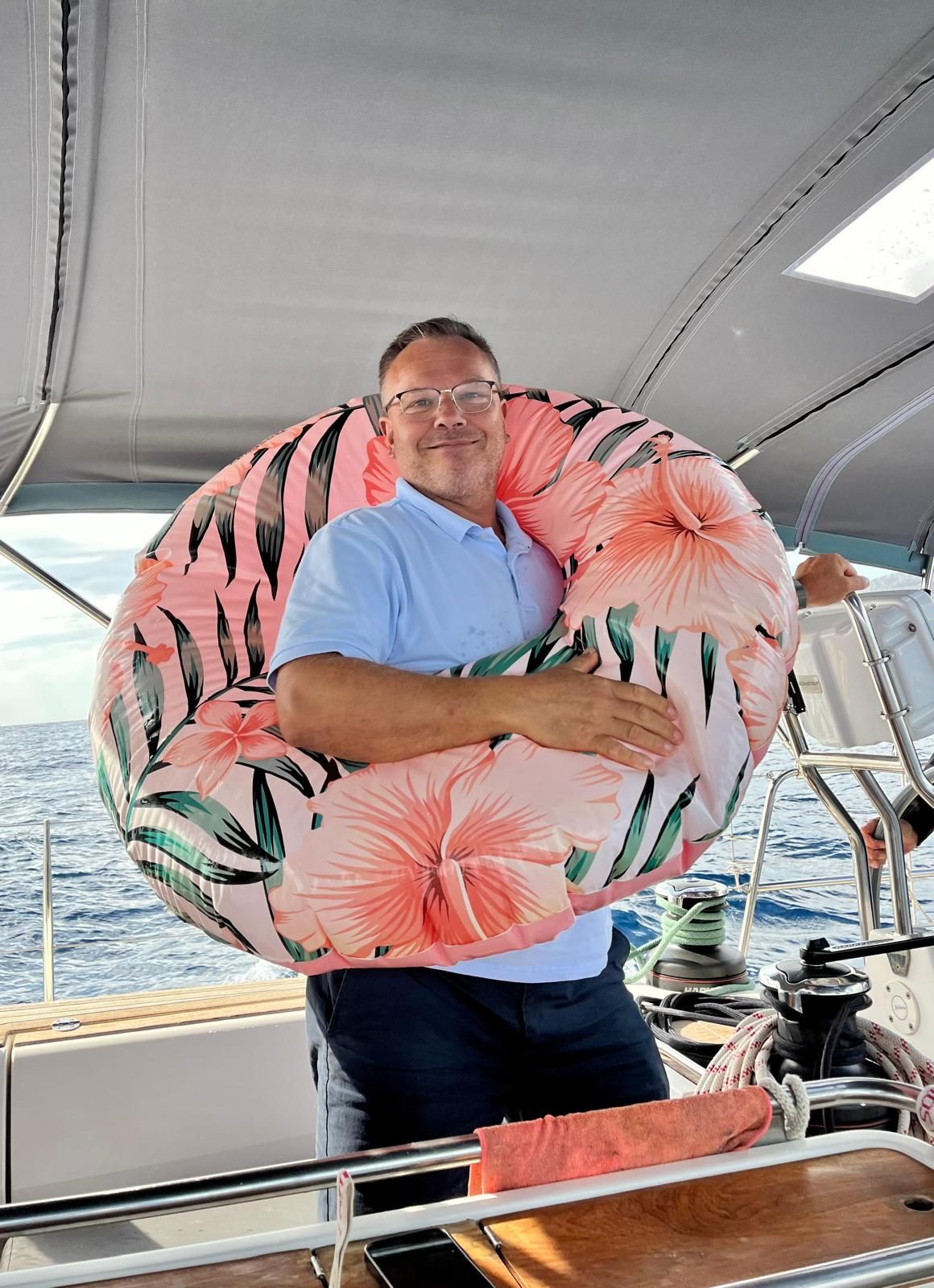
On the water, the wind takes anything light. Caps, towels, sunglasses and inflatables are the classics. Put things away when you are not using them, use a cord or clip for anything that matters, and keep inflatables tied on or inside the boat when the breeze picks up. Whatever goes over the side usually ends up drifting around the bay until someone else fishes it out.
What to leave at home
Glass bottles, hard-soled or black-soled shoes that mark the deck, and anything valuable you would hate to lose overboard. Large amounts of luggage are rarely needed for a single day.
A short checklist
Hat, sunglasses, reef-safe sunscreen, lip balm, light long sleeves, swimwear, towel, change of clothes, light jacket, water bottle, soft bag, dry bag for your phone, card and some cash. With those in your bag, you are ready to enjoy the bay.
Frequently asked questions
- Should I wear shoes on board?
- Most boats ask guests to go barefoot or wear clean, soft-soled shoes with non-marking soles. Leave heels and hard black soles on land, and ask your skipper if you are unsure.
- Can I bring my own food and drinks?
- Often yes, but it depends on the trip. Check with your skipper before you arrive, and avoid glass bottles, which are easy to break on a moving deck.
- What should I do if I feel seasick?
- Stay on deck in the fresh air, look at the horizon, sip water and nibble something plain. Tell the crew early. They can often suggest a calmer spot on the boat.
- Is my phone safe on a boat?
- It is safest in a small waterproof dry bag or pouch, especially when you get in and out of the dinghy or swim. Keep it out of direct sun to avoid overheating.
Related articles
Visitors
How to avoid seasickness on a sailing boat
Why seasickness happens, what helps before and during a day on the water around Mallorca, and why a sailing yacht under sail is often calmer than you expect.
3 min read
Visitors
Sailing yacht, motorboat or party catamaran: which boat day in Palma suits you?
An honest comparison of the three main ways to spend a day on the water in the Bay of Palma, with who each one suits, what to expect and what to ask before you book.
3 min read
Visitors
Wind and sea in the Bay of Palma through the year
What the wind and water are usually like in the Bay of Palma in each season, how the afternoon sea breeze works, and how to pick the best time for a boat day.
3 min read